Discover the best gadgets for long flights, from noise-canceling headphones and power banks to e-readers, tablets, and useful travel tech.
Long flights can feel exhausting when you have hours to spend in a noisy cabin with limited space, low phone battery, and few entertainment options. The right gadgets can make the journey more comfortable, help you stay connected, and give you better ways to relax or pass the time. From noise-canceling headphones and portable chargers to e-readers and compact travel accessories, there are plenty of useful options for different types of travelers.
However, not every gadget deserves space in your carry-on. The best choices are lightweight, easy to use, reliable, and practical during a long journey. In this guide, we’ll explore useful travel gadgets, airplane accessories, carry-on essentials, and long-haul flight essentials worth considering..
What Makes a Good Long-Flight Gadget?
Before adding another device to your carry-on, consider whether it actually earns the space it takes.
Size and Weight
Space is limited on an airplane, particularly in economy class. A useful gadget should be compact enough to store in a personal item or carry- on without creating unnecessary bulk.
Consider:
- Overall size
- Weight
- Foldability
- Ease of access
- Whether you can use it at your seat
- Whether you need it during the flight or only at your destination
Battery Life and Charging
Battery USB comes more important as flight duration increases.
A device with a long- lasting battery can reduce the need to recharge during the journey, while a power bank can provide additional flexibility.
When comparing charging gadgets, observe at:
- Battery capacity
- Charging speed
- USB- C support
- Number of ports
- Device compatibility
- Physical size
Do not assume that a particular power- bank capacity will provide a fixed number of phone charges. Actual results depend on the devices being charged, conversion losses, charging conditions, and how the devices are used.
Offline Entertainment
It is useful to prepare for a flight without assuming that onboard internet will always encounter your needs.
Before departure, consider downloading:
- Movies
- TV shows
- Podcasts
- Audiobooks
- E-books
- Games
- Work files
Offline content also gives you something to use during boarding, taxiing, or periods when connectivity is unavailable.
Compatibility
A gadget can be excellent and still be inconvenient if it does not work with your other devices.
Check:
- USB-C or USB- A connections
- Bluetooth compatibility
- Wired audio connections
- Charging requirements
- Aircraft entertainment system compatibility
- Operating-system compatibility
15 Useful Gadgets for Long Flights
The following gadgets are organized around common long- flight problems rather than simply ranking products.
| Gadget | Best For | Space Needed | Priority |
| Noise-canceling headphones | Cabin noise and entertainment | Small/Medium | High |
| Power bank | Charging | Small | High |
| E-reader | Reading | Small | High |
| USB-C charger | Charging multiple devices | Small | High |
| Tablet | Movies and entertainment | Medium | Medium |
| Bluetooth airplane adapter | Wireless seat-back audio | Tiny | Medium |
| Tech organizer | Cable organization | Small | Medium |
| Charging cable | Device charging | Tiny | High |
| Travel adapter | International travel | Small | Medium |
| Gaming handheld | Gaming | Medium | Optional |
| Phone stand | Hands-on complimentary viewing | Small | Optional |
| Luggage tracker | Baggage tracking | Tiny | Optional |
| Sleep earbuds or earplugs | Sleeping | Tiny | Optional |
| Smartwatch | Time and notifications | Small | Optional |
| Portable fan | Personal airflow | Small | Optional |
1. Noise-Cancelling Headphones
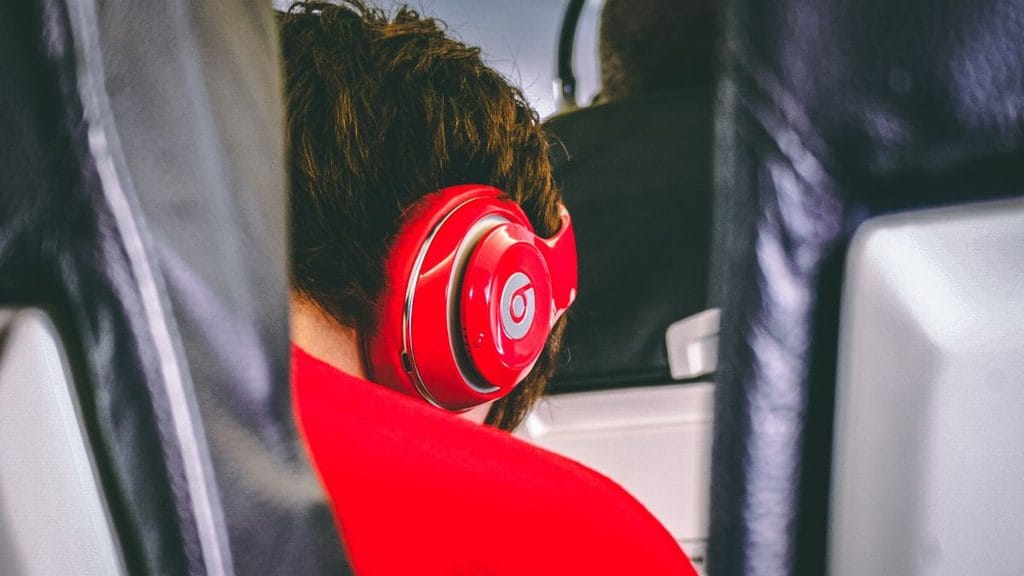
Noise-canceling headphones are useful for dealing with the steady background noise of an aircraft.
They can make it easier to:
- Listen to music
- Watch movies
- Perceive podcasts
- Work
- Relax
- Sleep
When choosing headphones for a long flight, comfort can be just as important as noise cancellation.
Look for:
- Comfortable ear cushions
- Long battery life
- A wired listening option when available
- Foldable construction
- Elementary- to- use controls
Over-ear headphones generally provide more physical isolation than small earbuds, while earbuds remove less space.
2. Portable Power Bank
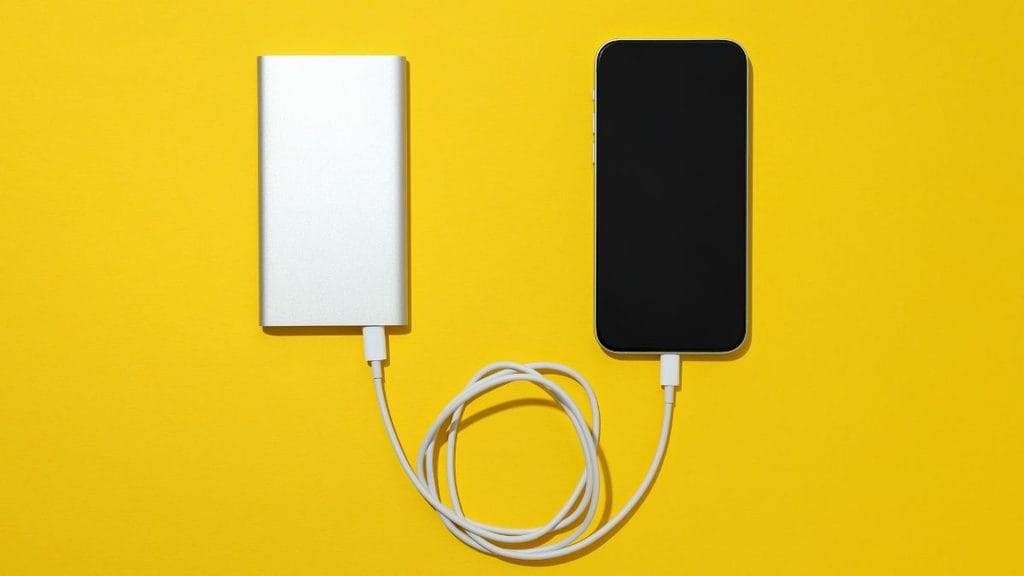
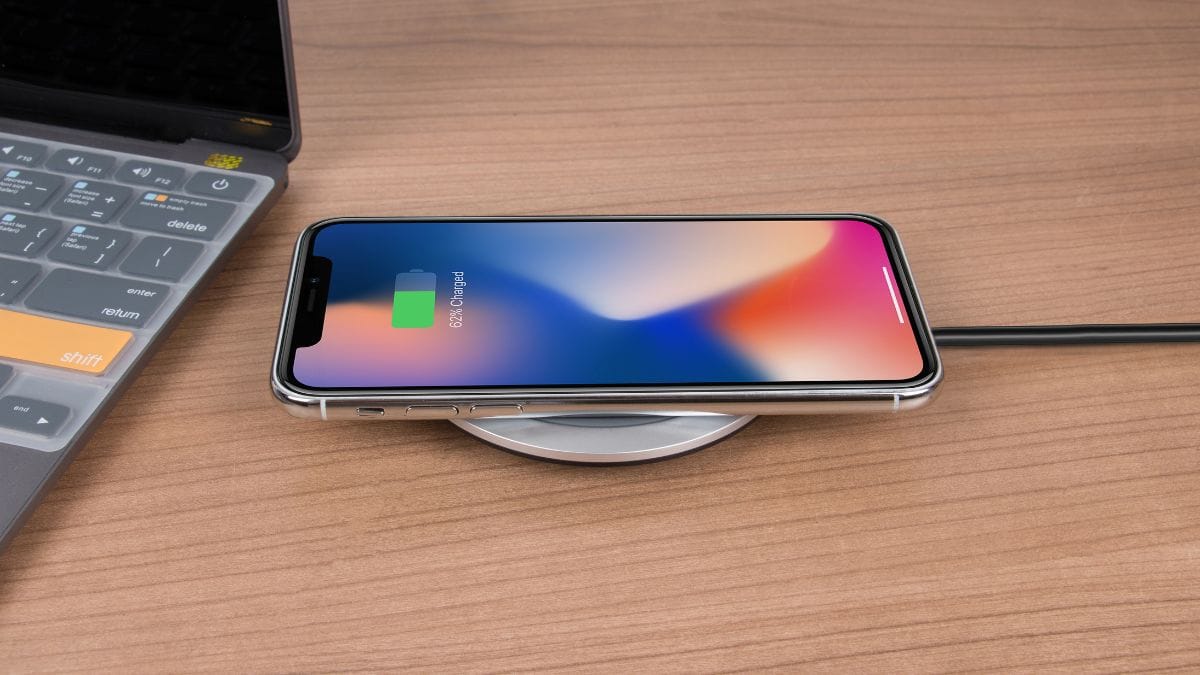
A power bank can keep a phone or other compatible device running when you cannot conveniently reach an outlet.
For travelers, common capacity categories include
- 10,000 mAh: compact option for lighter charging needs
- 20,000 mAh: more capacity for travelers carrying multiple devices
- Higher-capacity models: require particularly careful attention to airline restrictions
Capacity alone does not convey to you exactly how many times a device can be charged.
For airline travel, watt-hours are especially important. The FAA states that lithium- ion batteries with a rating of 0–100 Wh are allowed within its stated passenger rules, while batteries from 101–160 We require air- carrier approval. Lithium batteries over 160 Wh are forbidden on passenger aircraft under the FAA’s guidance.
Airlines and international authorities can impose additional restrictions, so always check the current rules for your airline and itinerary before traveling.
Understanding mAh and Wh
Power banks are commonly advertised using milliamp- hours( mAh), while aviation rules use watt- hours( Wh).
The basic conversion is:
Wh= Voltage× Amp- hours
Or:
Wh= Voltage× mAh÷ 1, 000
For model, a 20, 000mAh battery rated at 3.7V would have a nominal energy rating of approximately 74Wh.
The actual rating printed on the power bank should be used when checking airline requirements.
3. Compact USB- C Charger
A compact USB- C charger can reduce the number of chargers you need to pack.
A suitable travel charger may allow you to charge:
- Smartphone
- Tablet
- Earbuds
- Laptop
When choosing one, check its USB- C Power Delivery support and maximum output. A charger designed for a phone may not provide enough power for a laptop.
A multi- port charger can also be useful if you regularly travel with several devices.
4. E- Reader
An e- reader is a strong option for travelers who primarily want to read.
It provides a dedicated reading experience without requiring a large collection of physical books.
An e- reader can be useful for:
- Novels
- Magazines
- Travel guides
- Downloaded documents
- Long reading sessions
If reading is your primary form of entertainment, an e- reader can be easier to carry than a tablet.
5. Tablet
A tablet is more versatile than an e- reader.
Depending on the model and apps you use, it can handle:
- Downloaded movies
- TV shows
- Music
- Games
- E- books
- Documents
- Web browsing
The trade- off is size, weight, and battery consumption.
A traveler who wants one device for several forms of entertainment may prefer a tablet, while someone who mainly reads may prefer an e- reader.
6. Bluetooth Airplane Adapter
A Bluetooth airplane adapter can connect wireless headphones to compatible seat- back entertainment systems.
This can be useful if you prefer wireless earbuds or headphones but the aircraft entertainment system uses a wired audio connection.
Before buying one, check:
- 3.5mm compatibility
- Bluetooth version
- Battery life
- Pairing method
- Whether the aircraft’s entertainment system supports the required connection
Aircraft configurations vary, so an adapter should not be treated as universally compatible with every seat- back system.
7. Tech Organizer
A tech organizer keeps small electronics together.
It can hold:
- Charging cables
- Power adapters
- Earbuds
- Memory cards
- Small accessories
Instead of searching through your entire carry- on for one cable, you can sustain your electronics in one place.
8. Luggage Tracker
A small Bluetooth luggage tracker can facilitate travelers locate compatible tracked baggage using a supported phone network or tracking system.
It is most useful around:
- Baggage claim
- Flight connections
- Delayed- bag situations
- Airport transfers
A tracker does not replace the airline’s baggage system, but it can provide another way to check where a bag may be.
9. Travel Adapter
A travel adapter is particularly useful for international trips.
Analyze for a model compatible with the plug types used at your destination and, if needed, one that includes USB- C or USB- A charging ports.
One important distinction is that a plug adapter does not automatically convert electrical voltage. Travelers should check whether their electronics support the voltage used at their destination.
10. Sleep-Friendly Earbuds or Earplugs
Sleep can be difficult when traveling overnight.
Compact earplugs or sleep-friendly earbuds can reduce unwanted sound without requiring you to wear large headphones throughout the night.
Comfort is especially important here. A product that presses against your ears or becomes uncomfortable when lying against a pillow may not be practical for sleeping.
11. Portable Gaming Handheld
Gaming handhelds give travelers another offline entertainment option.
They can be useful for populations who prefer interactive entertainment over movies or books.
Before packing one, consider:
- Battery life
- Device weight
- Game storage
- Offline game availability
- Charging requirements
Gaming devices can consume considerably more power than simpler devices, so charging becomes more important on long journeys.
12. Phone Stand or Compact Mount
A small phone stand can make hands-free viewing easier.
Potential uses include:
- Watching downloaded videos
- Reading
- Following a document
- Keeping the phone visible while charging
However, aircraft seats and tray tables vary. A mount should not interfere with safety procedures, seat movement, or other passengers.
13. Multi- Device Charging Cable
A multi- device cable can reduce the number of individual cables in your bag.
It may be useful when traveling with several devices that use different connectors.
Before buying one, confirm that it supports the charging standards and connectors your devices actually require.
For travelers whose devices all use USB-C, a high-quality USB-C cable may be simpler than carrying a multi-connector cable.
14. Smartwatch
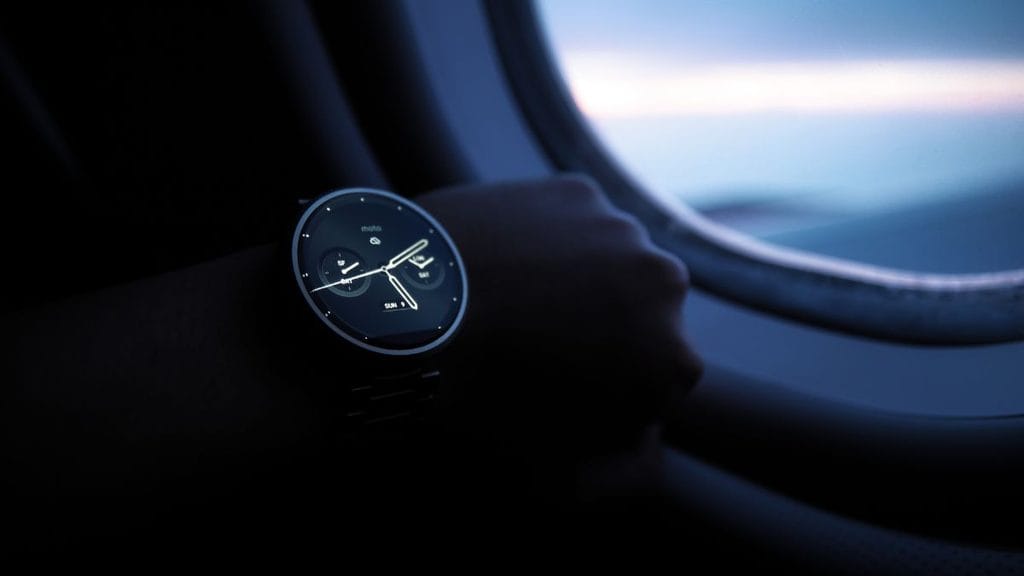
A smartwatch can be useful for checking the time, setting alarms, viewing notifications, and tracking activity without constantly taking out a phone.
It is an optional gadget rather than a requirement for most long flights.
15. Portable Fan
A small rechargeable fan can provide personal airflow when conditions allow.
It can be useful during:
- Boarding
- Airport delays
- Warm travel conditions
Because it is another device to charge and carry, it makes more sense for travelers who specifically value personal airflow than for everyone.
Best Gadgets for Different Flight Lengths
The number of gadgets you need should depend partly on the journey.
For a 6–8 Hour Flight
A simple setup may be enough:
- Noise-canceling headphones
- Smartphone
- Power bank
- Charging cable
- E-reader or tablet
There is usually little reason to provide a large collection of electronics for a relatively short flight.
For an 8– 12 Hour Flight
A longer flight gives entertainment and charging a bigger role.
Consider adding:
- Bluetooth airplane adapter
- E-reader or tablet
- Sleep accessories
- USB-C charger
- Tech organizer
For a 12–18+ Hour Journey
For very long journeys, redundancy can progress more useful.
Consider:
- Primary entertainment device
- Backup entertainment
- Noise- canceling headphones
- Power bank
- Charging cable
- Compact charger
- Sleep accessories
- Tech organizer
For multi- leg journeys, also evaluate about what you will need during the layover rather than only during the flight.
Best Long- Flight Gadgets for Economy Class
Economy seating makes size and accessibility especially important.
What Fits in a Seat Pocket?
Small items such as these can usually be easier to access:
- Phone
- Earbuds
- Charging cable
- E- reader
- Small accessories
The exact space available varies by aircraft and seat configuration.
What Should Stay in Your Personal Item?
Maintain frequently used electronics somewhere accessible:
- Headphones
- Power bank
- Charger
- Tablet
- Tech organizer
This avoids having to repeatedly access the overhead bin.
Which Gadgets Are Too Bulky?
Consider leaving behind gadgets that:
- Solve problems you do not actually have
- Duplicate another device
- Require extensive setup
- Depend heavily on internet access
- Add significant weight for limited use
The goal is not to maximize the number of gadgets you convey. It is to maximize the usefulness of the gadgets you carry.
Airline Rules for Power Banks and Electronic Gadgets
Battery rules are an important part of planning your travel technology.
Its guidance also distinguishes batteries by watt-hour rating, with batteries up to 100 Wh generally permitted and batteries between 101 Wh and 160 Wh requiring air carrier approval. Batteries over 160 Wh are not permitted on passenger aircraft under the FAA rules.
The FAA also provides guidance for portable electronic devices containing batteries and recommends keeping these devices in carry-on baggage when possible.
International travelers should also review the applicable airline and international guidance. IATA provides passenger information covering portable electronic devices and lithium batteries.
What If a Battery Overheats?
If a battery or electronic device becomes unusually pronounced, swells, smokes, or catches fire during a flight, notify the cabin crew immediately rather than attempting to manage the incident yourself. The FAA provides passenger safety guidance for battery- related incidents.
Can You Use Electronics During a Flight?
Use of electronic devices depends on the aircraft, airline, and crew instructions.
FAA passenger guidance says portable electronic devices should be in airplane mode or have cellular connectivity disabled. Onboard Wi- Fi can be used when the aircraft has an approved Wi- Fi system and the airline permits it.
Always follow the instructions provided by the airline and cabin crew.
What to Download Before a Long Flight
A little preparation can make your gadgets much more useful.
Before leaving home, download:
- Movies
- TV episodes
- Music
- Podcasts
- Audiobooks
- E-books
- Offline games
- Important documents
Also make confident your devices are updated and charged before leaving for the airport.
Gadgets vs. Accessories: What Is Actually Worth Packing?
Not every travel accessory needs to make the trip.
Gadgets That Solve Real Problems
Prioritize devices that address a problem you expect to encounter:
- Noise: noise-canceling headphones
- Power: power bank and charger
- Entertainment: tablet, e-reader, or gaming device
- Connectivity: Bluetooth airplane adapter
- Organization: tech organizer
Gadgets You Can Probably Leave at Home
Analyze twice about gadgets that are:
- Bulky
- Redundant
- Difficult to use in a seat
- Dependent on a reliable internet connection
- Unlikely to be used during the journey
A minimalist setup can be more convenient than a bag full of travel technology.
If You Only Pack Five Gadgets
For travelers who want a simple setup, commence with the devices that cover the most common problems.
- Noise-canceling headphones for cabin noise and entertainment
- Power bank, for backup power
- USB- C charger, for charging at available outlets
- E- reader or tablet for offline entertainment
- Charging cable, fo keeping essential devices connected
The right five will vary depending on whether you spend the flight sleeping, reading, working, watching movies, or gaming.
Long- Flight Gadget Packing Checklist
Before leaving for the airport:
- Noise- canceling headphones
- Power bank
- Charging cable
- USB- C charger
- Smartphone
- Tablet or e- reader
- Downloaded entertainment
- Bluetooth airplane adapter
- Tech organizer
- Travel adapter
- Luggage tracker
- Sleep accessories
Check battery ratings and airline requirements before packing power banks or spare batteries.
FAQs
What are some good travel gadgets for flying?
Noise-canceling headphones, a power bank, e-reader, Bluetooth airplane adapter, and a compact USB-C charger are useful choices.
How to survive a 12-hour flight in economy?
Stay hydrated, move around periodically, sleep when appropriate, and bring entertainment, comfortable accessories, and charging gear.
What things do I need for a long flight?
Pack your passport, travel documents, medications, headphones, charger, power bank, water bottle, and a few comfort or entertainment items.
What is the 3-1-1 flight rule?
The TSA 3-1-1 rule generally allows liquids, gels, aerosols, creams, and pastes in containers of 3.4 oz (100 ml) or less, packed in one quart-size bag, with one bag per passenger.
What to not carry in a flight?
Avoid prohibited or restricted items such as explosives, flammable materials, and certain sharp objects; check your airline and security authority for the current rules..
Key Takings:
- The best gadgets for long flights are not necessarily the most advanced devices. They are the ones that improve comfort, reduce noise, provide entertainment, keep batteries charged, and fit easily into a carry-on bag.
- A simple setup, good headphones, reliable charging, offline entertainment, and smart organization, can make a long journey significantly more comfortable.
Additional Resources:
- FAA airline passenger battery guidance: Official FAA guidance on power banks, spare lithium batteries, watt-hour limits, and carry-on requirements for air travel.