Explore 10 reasons not to buy a smartwatch, including battery life, cost, distractions, privacy, compatibility, and health tracking limitations.
Smartwatches can offer convenient notifications, fitness tracking, GPS, and health features, but they are not the right choice for everyone. Before spending money on a wearable, it is worth considering the practical drawbacks that may affect your daily routine. Smartwatch disadvantages can include frequent charging, distractions, compatibility limits, privacy concerns, and features you may rarely use. Some users may also find that a smartphone, fitness tracker, or traditional watch already meets their needs.
Understanding these smartwatch drawbacks can help you decide whether the extra features are genuinely useful. If you are looking for simpler alternatives to screen-focused wearable technology, screenless AI gadgets offer another approach to interacting with technology. In this guide, we explore reasons not to buy a smartwatch, common smartwatch problems, and important factors to consider before choosing a wearable device for everyday use
1. Smartwatches Can Be Expensive for What You Actually Use
A smartwatch can offer far more features than a traditional watch, but that does not mean you will use all of them.
Someone who mainly wants to see the time and occasionally check notifications may not obtain much value from advanced health sensors, GPS, cellular connectivity, apps, or other premium features.
The important question is not simply“ What can this smartwatch do?” It is“ Which of these features will I actually use?”
The Features You Pay For May Go Unused
Consider a typical smartwatch feature list:
- Heart- rate monitoring
- Sleep tracking
- GPS
- Workout tracking
- Notifications
- Music controls
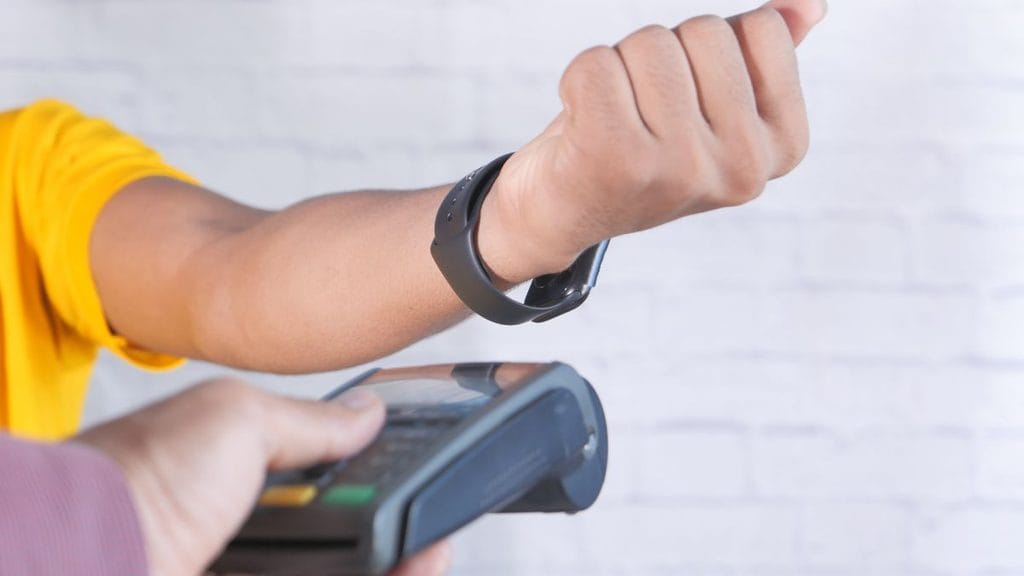
- Mobile payments
- Voice assistants
- Calls
- Cellular connectivity
- Safety features
- Third- party apps
These features can be useful, but paying for them only makes sense if they solve a real problem for you.
If you only want step counting and basic activity tracking, a less expensive fitness tracker may be enough.
Consider the Total Cost Beyond the Watch
The purchase price is not always the entire cost of ownership.
Depending on the model, you may also utilize money on:
- Replacement bands
- Chargers or charging accessories
- Protective accessories
- Cellular service for LTE models
- A replacement device later
For that reason, compare the features you actually need with the complete cost rather than judging the watch by its specifications alone.
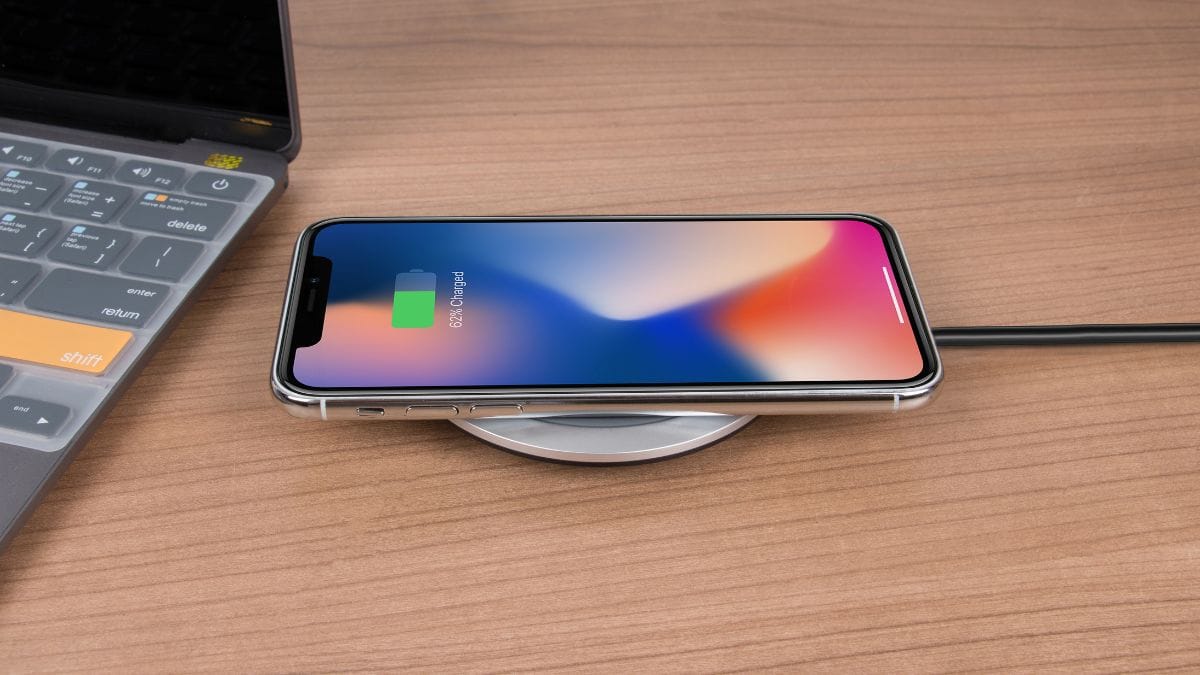
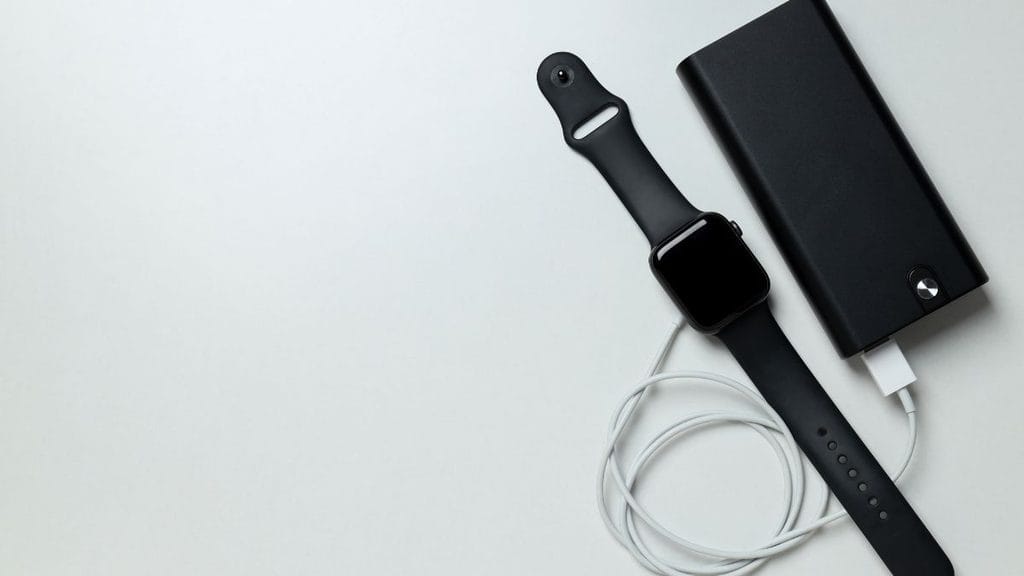
2. Battery Life Means Frequent Charging
Battery life is one of the most practical smartwatch disadvantages.
Unlike a traditional watch that can run for months or years on a battery, many feature- rich smartwatches need regular charging.
The exact experience depends heavily on the model and how you use it.
For example, Google’s current Pixel Watch documentation lists up to 30 hours for the 41mm Pixel Watch 4 and 5 with Always- on Display enabled, and up to 40 hours for the 45mm versions under the stated test conditions. Google also notes that actual battery life depends on features, usage, environment, and other factors.
Always- On Display, GPS, LTE, and Other Features Can Increase Power Use
Power consumption can increase when you use demanding features.
Google specifically notes that continuous GPS use on Pixel Watch can provide substantially less battery life than normal daily use, and that cellular connectivity and music streaming can also affect battery consumption.
That means advertised battery life should not be treated as a guaranteed number for every user.
If you frequently use:
- GPS workouts
- LTE connectivity
- Always- on display
- Music streaming
- Continuous health tracking
you may need to charge more often.
Charging Can Conflict With Sleep Tracking
Sleep tracking creates an interesting problem.
If you require the watch on your wrist overnight, you have fewer opportunities to charge it. If you take it off at night to charge, you may miss the sleep data you wanted the watch to collect.
Some newer watches reduce this problem with faster charging, but charging remains part of the ownership routine.
For people who dislike regularly charging devices, this alone can be a good reason to skip a smartwatch.
3. A Small Screen Cannot Replace Your Smartphone
A smartwatch can handle many quick tasks, but its small screen is not designed to replace a phone for everything.
Checking a notification or controlling music can be convenient. Reading a long email, browsing a website, editing a document, or managing complex apps is generally more practical on a smartphone or computer.
This creates a simple limitation: A smartwatch can reduce the number of times you reach for your phone, but it does not eliminate the need for one for most users.
Quick Glances Are Useful, but Longer Tasks Are Limited
Smartwatch screens work particularly well for short interactions:
- Checking the time
- Viewing a short notification
- Checking a workout statistic
- Looking at directions
- Controlling music
- Checking an incoming call
They emerge less convenient when you need to review or interact with large amounts of information.
You May Still Reach for Your Phone
This matters when evaluating whether a smartwatch is worth buying.
If you still need your smartphone for most meaningful tasks, the watch is an additional device rather than a replacement.
For some people, that is exactly the point. For others, it can feel like buying another screen without removing the need for the first one.
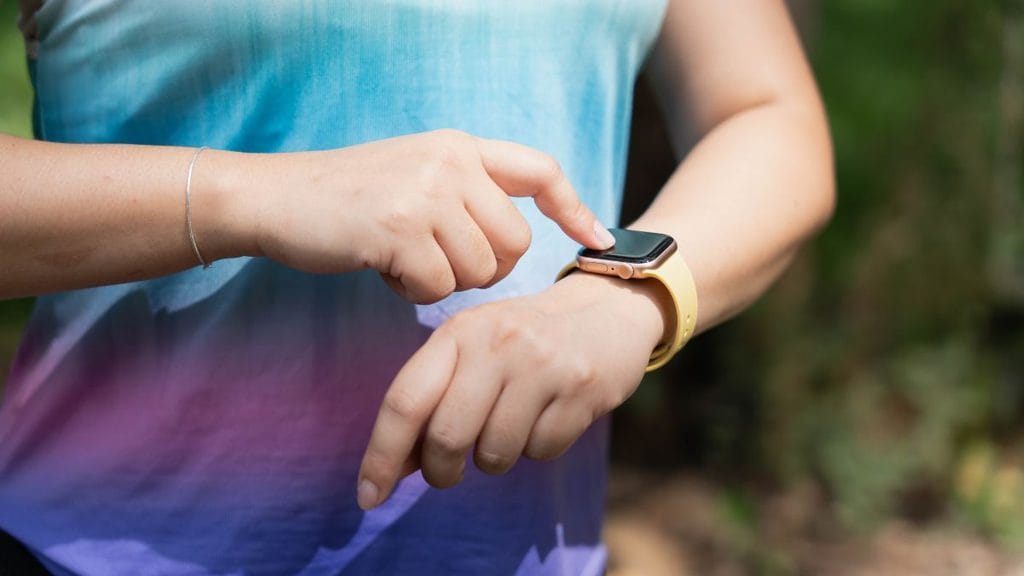
4. Notifications Can Progress Another Distraction
One of the biggest attractions of a smartwatch is instant access to notifications.
But that same feature can evolve a disadvantage.
Instead of your phone lighting up in your pocket, your wrist can vibrate or display alerts throughout the day.
Messages, email, calendar reminders, social media notifications, calls, and app alerts can all compete for your attention.
Constant Alerts Can Interrupt Your Day
If you already receive too many notifications, putting them on your wrist may not solve the problem.
It can make them more noticeable.
A smartwatch can therefore evolve less useful for someone trying to reduce digital interruptions.
This does not mean every smartwatch user will experience notification overload. Notification controls allow you to disable or limit alerts.
The more important question is whether you pursue another device competing for your attention.
Notification Controls Can Reduce the Problem
Before deciding against a smartwatch entirely, check whether the model lets you:
- Disable individual app notifications
- Use Do Not Disturb
- Schedule focus modes
- Silence calls
- Customize vibration alerts
- Control which notifications appear on your wrist
If you are willing to configure these settings, the distraction problem can be reduced.
5. You May Not Need Constant Health and Fitness Tracking
Health and fitness tracking is one of the main reasons people buy smartwatches.
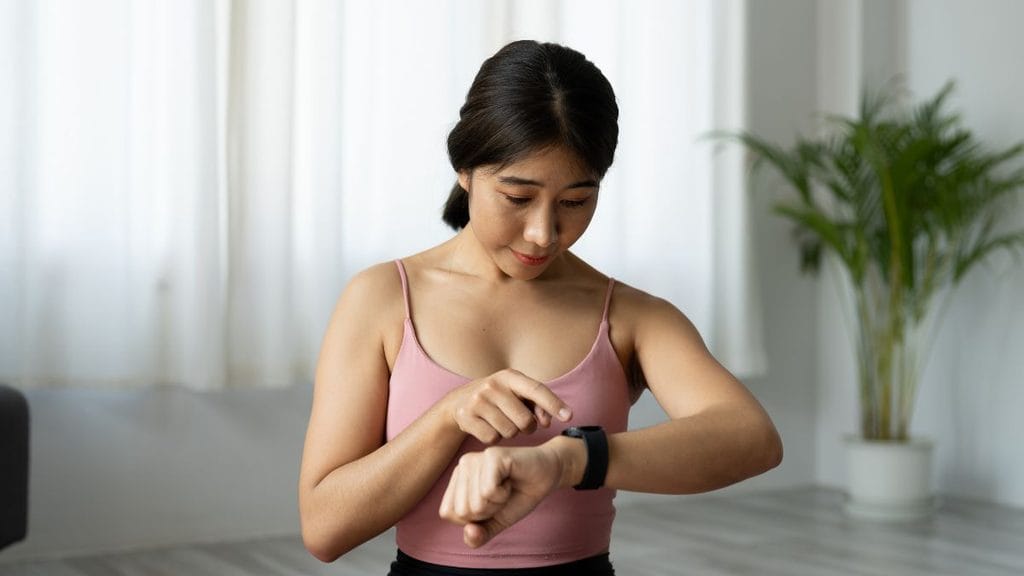
Depending on the model, a watch may track heart rate, activity, steps, sleep, workouts, blood oxygen, and other measurements.
The problem is not that these features have no value. The problem is assuming that every measurement is equally accurate or that more data is automatically better.
Smartwatch Measurements Have Accuracy Limitations
A 2026 living systematic review and meta- analysis examined 82 studies involving more than 430, 000 participants and 14 Apple Watch health metrics. It found that accuracy varied by metric, measurement conditions, and individual physiology. Heart- rate measurement showed relatively small average bias, while sleep and step- count accuracy was moderate and energy- expenditure error was frequently large.
That is an important distinction.
It is more accurate to say that smartwatch accuracy varies by measurement than to claim that smartwatches are simply accurate or inaccurate.
Another systematic review found that energy- expenditure measurements across wearable brands had poor accuracy, while heart- rate measurements generally performed better.
Health Tracking Is Not the Same as Medical Diagnosis
Some smartwatch health features can be useful for monitoring trends, but users should understand their limitations.
For example, the FDA warned in 2024 that it had not authorized, cleared, or approved any smartwatch or smart ring intended to independently measure or estimate blood- glucose levels without piercing the skin.
That does not mean all smartwatch health features are unreliable.
It means users should distinguish between:
- Wellness and fitness information
- Medical measurements used for diagnosis or treatment
If you need medical monitoring, rely on devices and guidance appropriate for that purpose rather than assuming a consumer smartwatch can replace medical equipment.
6. Smartwatch Compatibility Can Limit Your Options
Compatibility is elementary to overlook when shopping for a smartwatch.
Some watches work across operating systems, while others are designed primarily for a particular phone ecosystem.
Apple is a clear example. Apple’s current compatibility documentation lists specific iPhone and iOS requirements for different Apple Watch models. For example, Apple lists iPhone 11 or later with iOS 26 or later for Series 11, SE 3, and Ultra 3.
Check iPhone and Android Requirements Before Buying
Before purchasing a smartwatch, check:
- Required phone operating system
- Required phone model
- Required companion app
- Supported features on your phone
- Whether cellular features require carrier support
- Whether all advertised features work in your country
A watch that looks excellent on paper may be a poor choice if important features do not work with your phone.
Changing Phones Can Affect Your Watch Experience
Your phone ecosystem can also influence your long- term decision.
If you frequently switch between iPhone and Android, compatibility should be one of the first things you investigate.
The cheapest smartwatch is not necessarily the best value if it creates restrictions later.
7. Privacy and Personal Data Deserve Careful Consideration
A smartwatch can collect information that is more personal than what a traditional watch ever needs.
Depending on the device and services you use, this can include information related to:
- Activity
- Exercise
- Heart rate
- Sleep
- Location
- Device usage
- Health- related measurements
That creates a privacy consideration that should not be ignored.
Smartwatches Can Collect Health, Location, and Activity Data
A 2025 study published in npj Digital Medicine analyzed the privacy policies of 17 leading wearable manufacturers using criteria covering transparency, data collection, user control, third- party sharing, security, and breach notification.
The researchers found substantial differences across manufacturers and highlighted inconsistencies in data governance.
The takeaway is not that every smartwatch is unsafe.
It is that privacy practices differ, so buyers should investigate the manufacturer’s policies.
Check How the Manufacturer Handles Your Data
Before buying, look for information about:
- What data is collected
- Why it is collected
- Where it is stored
- Whether it is shared with third parties
- How long it is retained
- What controls you have over your data
- How the company handles security incidents
Wearable data can also contain identifying information. A systematic review of 72 studies found that wearable data could potentially be used to re- identify individuals, with high identification rates reported in many of the included studies.
For privacy- conscious users, this is a legitimate reason to think carefully before adding another connected device to daily life.
8. Wearing a Smartwatch All Day May Not Be Comfortable
A smartwatch is different from a device you occasionally pick up.
You are expected to wear it.
That can make comfort an important part of the buying decision.
Factors include:
- Watch size
- Weight
- Band material
- Wrist size
- Sweat
- Fit
- Screen shape
- How tightly you wear the band
Even a technically excellent device may not be enjoyable if you dislike wearing something on your wrist all day.
Weight, Bands, Sweat, and Skin Contact Matter
Comfort can also change during exercise or sleep.
A watch that feels fine for a few hours may feel different when worn overnight or during a long workout.
Some people simply prefer the feeling of a lightweight traditional watch or no watch at all.
Some Users May Prefer a Simpler Watch
If your primary requirement is telling time, you do not necessarily need a computer on your wrist.
A traditional watch avoids:
- Charging
- Software updates
- App compatibility
- Notifications
- Account requirements
- Many connected- device privacy considerations
That simplicity can itself be valuable.
9. Software Updates and Battery Aging Can Shorten Its Useful Life
A smartwatch is a small computer, not just a watch.
That means its useful life depends partly on software support, hardware capability, and battery condition.
Over time, batteries naturally age.
Manufacturers also design newer models with newer processors, sensors, operating systems, and features.
Smartwatches Depend on Software Support
Before buying, check the manufacturer’s current software- support information where available.
You should also consider whether the watch requires a relatively recent phone or operating system.
This is particularly important if you plan to keep the device for several years.
Rechargeable Batteries Do Not Last Forever
Rechargeable batteries gradually lose capacity through use and aging.
Google, for example, notes in its Pixel Watch documentation that battery performance is managed as the battery ages and that battery life depends on usage and other conditions.
That does not mean a smartwatch suddenly becomes unusable.
It means battery performance should be considered part of the device’s long- term ownership experience.
10. A Traditional Watch or Fitness Tracker May Fit Your Needs Better
Sometimes the best reason not to buy a smartwatch is that you need something simpler.
Different devices solve different problems.
If you mainly pursue…
| A device to consider | |
| Basic timekeeping | Traditional watch |
| Long periods between charges | Traditional watch |
| Basic step and activity tracking | Fitness tracker |
| Advanced notifications and apps | Smartwatch |
| GPS- based workouts | Smartwatch or dedicated fitness device |
| Minimal digital distractions | Traditional watch |
| A combination of apps, notifications, and health features | Smartwatch |
A fitness tracker may make more sense if your main goal is activity and workout monitoring.
A traditional watch may be enough if you mainly require timekeeping.
A smartwatch becomes more compelling when you actually need its connected features.
When a Traditional Watch Makes More Sense
Consider a traditional watch if you:
- Mainly need to tell time
- Dislike charging devices
- Require fewer notifications
- Prefer simple technology
- Do not need health tracking
- Aspire something that works independently of a phone
When a Fitness Tracker Is Enough
A fitness tracker may be worth considering if you primarily aspire:
- Step tracking
- Basic activity monitoring
- Workout tracking
- Sleep tracking
- A smaller or simpler wearable
The right choice depends on the features you actually need rather than the number of features listed on the box.
Who Should Consider Skipping a Smartwatch?
A smartwatch may be unnecessary if several of these statements describe you:
- You dislike charging small electronics frequently.
- You rarely use fitness or health tracking.
- You already feel overwhelmed by notifications.
- You mainly desire to inform time.
- You do not desire another connected device collecting data.
- Your phone already handles everything you need.
- You prefer a traditional watch.
- You want a device that can last a long time without regular charging.
None of these automatically means a smartwatch is a bad product.
They simply indicate that the benefits may not match your priorities.
Who Can Still Benefit From a Smartwatch?
There are also plenty of situations where buying a smartwatch can make sense.
Smartwatches can be useful for people who aspire:
- Convenient workout tracking
- GPS during outdoor activities
- Quick access to notifications
- Calls from the wrist
- Music controls
- Mobile payments
- Safety features
- Health and wellness tracking
- Integration with their smartphone ecosystem
Some health features can also provide useful information. For example, research has found strong performance for certain smartwatch- based heart- rate or atrial- fibrillation detection tasks, although performance varies by feature and context.
The important point is to buy based on a specific need rather than simply buying because a smartwatch has a long list of features.
Smartwatch vs. Fitness Tracker vs. Traditional Watch
A simple comparison can contribute clarify the decision.
| Factor | Smartwatch | Fitness Tracker | Traditional Watch |
| Notifications | Extensive | Usually limited | None |
| Apps | Yes | Limited or none | No |
| GPS | Often available | Model dependent | No |
| Health tracking | Extensive on many models | Fitness- focused | None |
| Battery routine | Regular charging | Usually less frequent | Minimal |
| Phone integration | High | Moderate to high | None |
| Digital distractions | Higher potential | Lower potential | Very low |
| Privacy considerations | Higher | Still relevant | Minimal connected- data concerns |
| Best for | Connected everyday use | Fitness- focused users | Simplicity and timekeeping |
There is no universally correct choice.
The better option depends on what you want the device to do.
What to Check Before Buying a Smartwatch
If you are still considering one, check these points before spending money:
1. Phone Compatibility
Make sure your current phone meets the watch’s hardware and operating- system requirements.
2. Realistic Battery Life
Do not examine only at the headline number.
Check battery estimates with features you actually plan to use.
3. Charging Routine
Ask yourself when you will charge the watch, especially if you desire sleep tracking.
4. Health Features
Determine which sensors and measurements you actually need and understand their limitations.
5. Privacy Policy
Review how the manufacturer collects, stores, uses, and shares wearable data.
6. Cellular Costs
If you aspire an LTE model, check whether cellular service and carrier compatibility add recurring costs.
7. Software Support
Check whether the watch will work with your phone and whether the manufacturer supports the model for the period you expect to keep it.
8. Alternatives
Compare the smartwatch with a fitness tracker and traditional watch before making the final decision.
FAQs
What are the negative effects of smart watches?
Smartwatches can cause distractions, frequent charging, privacy concerns, and inaccurate health readings in some situations.
Why shouldn’t you wear a smartwatch?
You may want to avoid one if you dislike constant notifications, frequent charging, or collecting personal health and activity data.
Do cardiologists recommend smart watches?
Some cardiologists may use smartwatch data as a helpful monitoring tool, but it should not replace professional medical evaluation or diagnosis.
Should I buy a smartwatch or not?
Buy one if its features match your needs; otherwise, a traditional watch or fitness tracker may be a simpler option.
Is it safe to wear a smartwatch every day?
For most people, everyday use is generally considered safe, but proper fit, skin care, and reasonable use are important.
Key Takings:
- The 10 reasons not to buy a smartwatch are ultimately about trade-offs rather than a simple list of flaws.
- Frequent charging, phone compatibility, notifications, privacy considerations, health-data limitations, cost, and the need to wear another connected device can make a smartwatch unnecessary for some people.
- For others, GPS, fitness tracking, notifications, safety features, and smartphone integration can make the trade-offs worthwhile.
- Before buying, focus on the features you will actually use. If you mainly want timekeeping or basic fitness tracking, a simpler device may be enough. If you need a connected device that combines communication, fitness, navigation, and other features on your wrist, a smartwatch may still fit your needs.
Additional Resources:
- Apple Watch health metric accuracy research: Research reviewing the accuracy of Apple Watch health measurements across different metrics.