Learn how battery-free devices work using light, RF, heat, and movement, with real examples, benefits, limitations, and future uses.
The idea of electronics working without conventional batteries It may seem futuristic, but battery- free technology I already exists. Several forms. RFID chips, low- power sensors, and IoT systems can work by collecting energy from light, heat, movement or other sources instead of relying on a traditional battery. Some are screenless AI Gadgets also; explore more. Efficient ways to communicate with users without depending on traditional displays and power- consuming components.
Battery- free does not mean energy- free. These devices still need electricity to understand, process or communicate information. The difference where is that energy coming from and how effectively the device uses it.
What Are Battery- Free Devices?
Battery- free devices are electronic systems designed to operate without a conventional battery as their primary energy source. Instead, they can receive power wirelessly or harvest small amounts of energy from their surroundings.
Depending on the design, the energy may approach from:
- Radio- frequency( RF) signals
- Light
- Heat differences
- Movement or vibration
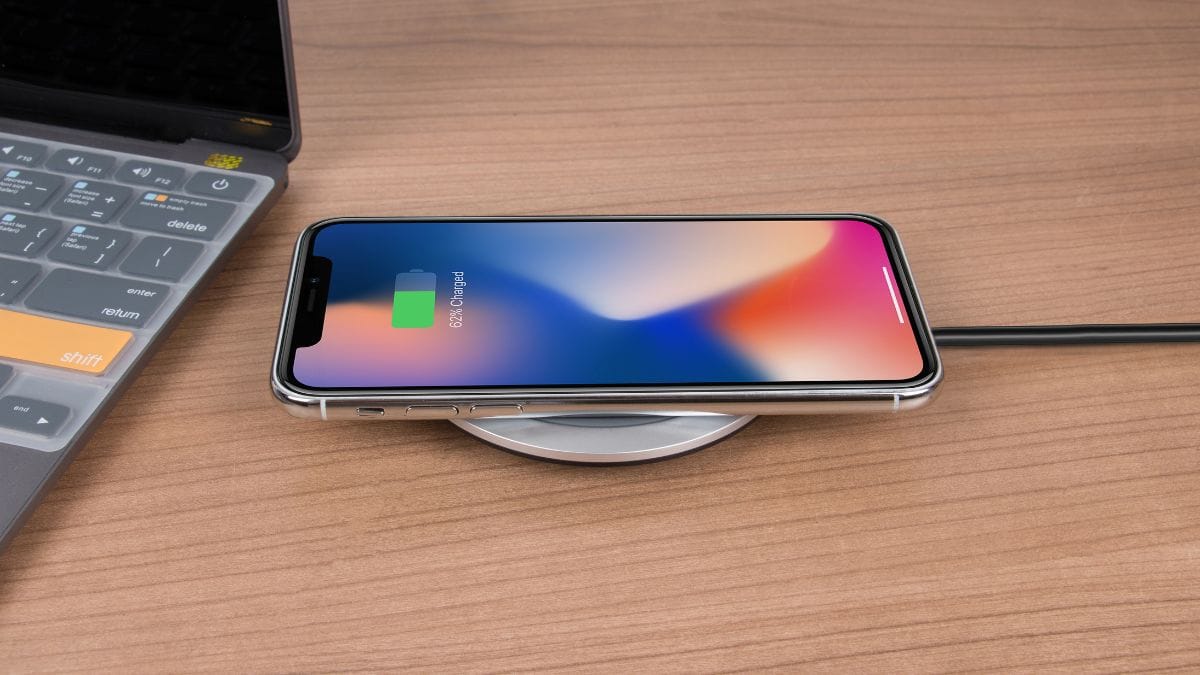
- Magnetic fields
- Other environmental or mechanical energy sources
The technology is particularly useful for small, low- power electronics where replacing or recharging batteries would be difficult.
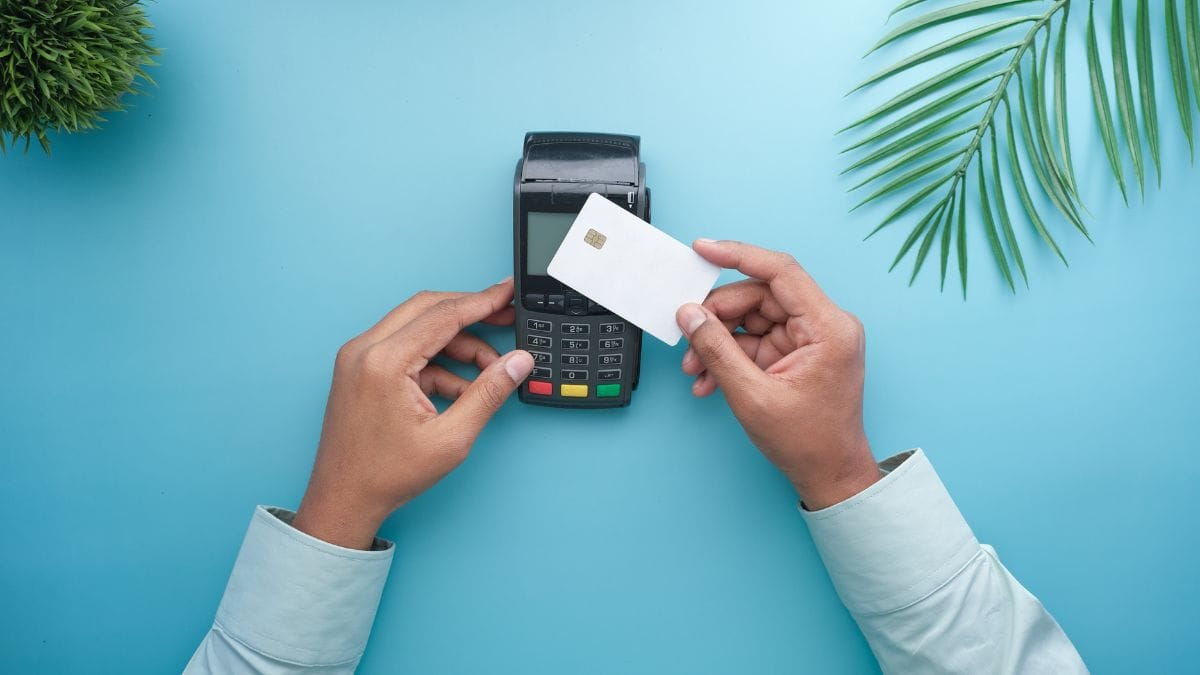
For example, an RFID tag can receive energy from an RFID reader and use that energy to power its chip and send information back through backscatter communication. This is one of the most established examples of battery- free electronics.
Battery- Free vs. Battery- Powered Devices
A conventional wireless sensor normally stores energy inside a battery and draws power from it when needed. A battery- free sensor instead depends on an external or harvested energy source.
| Feature | Battery- Powered Device | Battery- Free Device |
| Main energy source | Battery | Harvested or wirelessly supplied energy |
| Battery replacement | Usually required | Not required when truly battery- free |
| Energy availability | Stored energy is readily available | Depends on the energy source |
| Maintenance | Can require battery replacement | Can reduce maintenance |
| Best suited for | Higher- power electronics | Low- power electronics and sensors |
| Main challenge | Battery life | Energy availability and intermittency |
Battery- free designs are therefore not automatically better for every application. They are most useful when the power requirements are low and an appropriate energy source is available.
How Do Battery- Free Devices Work?
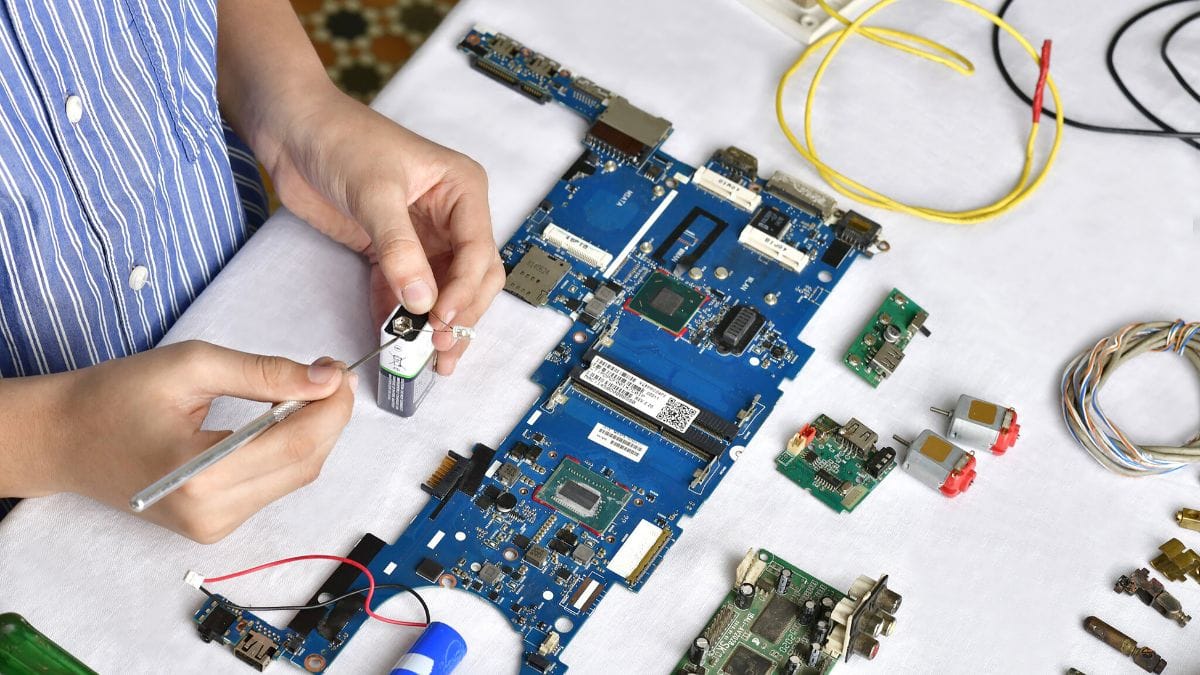
A battery- free system generally combines several technologies rather than relying on a single component.
A simplified process looks favor this:
Energy source→ Energy harvesting→ Power conversion→ Energy storage→ Sensing/ processing→ Communication
The exact architecture depends on the device and its application.
Energy Harvesting
Energy harvesting is the process of capturing small amounts of energy from the surrounding environment and converting it into usable electrical power.
For example, a small photovoltaic element can convert light into electricity. An RF energy harvester can capture electromagnetic energy, while a mechanical harvester can convert vibration or movement into electrical energy.
The amount of available energy can be very small, so battery- free systems generally need highly efficient electronics.
Power Conversion and Energy Storage
Harvested energy is not always immediately suitable for powering an electronic circuit.
Power- management electronics can convert and regulate the incoming energy. Some systems also store a small amount of energy in a capacitor or supercapacitor.
This storage can act as a temporary energy buffer.
For example, a sensor might gradually collect energy and then use the stored energy for a short sensing or communication operation. Research on batteryless IoT systems has shown why capacitor size, energy- harvesting rate, and operating thresholds can strongly affect how frequently a device can communicate.
Sensing, Computing, and Communication
Once sufficient energy is available, the device can perform its intended task.
That might involve:
- Measuring temperature, pressure, motion, or another condition.
- Processing the measurement.
- Storing or encoding the information.
- Sending the data wirelessly.
- Returning to a low- power state until more energy becomes available.
Because available energy can fluctuate, battery- free systems often have to carefully coordinate sensing, computing, and communication.
Where Do Battery- Free Devices Get Their Energy?
Different battery- free devices use different energy sources.
Light and Solar Energy
Outdoor environments provide relatively strong sunlight, while indoor environments generally provide much less available light. This means an energy harvester designed for indoor use may need to be optimized for low- light conditions.
Light harvesting can be useful for sensors and other electronics that require relatively little energy.
Researchers have also explored photovoltaic- powered RFID systems, including approaches designed to create use of indoor and outdoor lighting.
Radio Waves and RF Energy
Radio- frequency energy harvesting uses electromagnetic signals to generate electrical power.
A battery- free device can use an antenna to receive RF energy. A rectifier can then convert the received alternating RF signal into usable direct current.
Dedicated RF transmitters can supply energy to nearby devices, while some research also investigates harvesting energy from ambient radio sources such as Wi- Fi, cellular signals, and broadcast transmissions.
RF energy is especially important for battery- free RFID and wireless sensing systems. Recent research continues to investigate RF energy harvesting, rectennas, wireless power transfer, and ultra- low- power communication.
Heat and Temperature Differences
For example, a device may take advantage of a temperature difference between a warm surface and the surrounding environment.
This approach can be useful in places where a stable temperature gradient exists, although the available power depends heavily on the environment and the efficiency of the harvesting system.
Movement and Vibration
A sensor attached to machinery, equipment, or another moving structure may be able to harvest some of the mechanical energy around it.
Kinetic energy harvesting is being investigated for self- powered sensors and IoT systems because it can potentially combine sensing with energy generation.
Magnetic Fields
Electrical equipment can create magnetic fields that provide another potential energy source.
Researchers at MIT, for example, developed a self- powered sensor concept that harvests energy from the magnetic field surrounding an electrical wire. The approach is intended for applications such as monitoring equipment without requiring a conventional battery.
Examples of Battery- Free Devices
Battery- free electronics are not limited to one type of product.
RFID Tags
RFID tags are among the best- known examples.
A passive RFID tag does not need its own conventional battery. Instead, an RFID reader sends a radio signal toward the tag. The tag harvests some of that RF energy and uses it to operate its electronics.
The tag can then communicate information by reflecting a modulated version of the incoming signal back toward the reader.
This technique is known as backscatter communication. MIT describes RFID tags as battery- free devices that use RF energy from a reader to power their chips and communicate information through backscatter.
Battery- Free IoT Sensors
Battery- free sensors are being developed for applications where replacing batteries across large numbers of devices would be inconvenient or expensive.
Possible applications include:
- Environmental monitoring
- Industrial equipment monitoring
- Infrastructure monitoring
- Smart buildings
- Agriculture
- Asset tracking
- Remote sensing
Recent research reviews energy- harvesting IoT systems across areas including healthcare, industry, agriculture, transportation, water management, and smart infrastructure.
Industrial Monitoring Devices
Industrial environments can be particularly attractive for battery- free sensing because machinery and electrical infrastructure can provide potential sources of energy.
For example, vibration, heat, or magnetic fields may be available near equipment.
A battery- free sensor could potentially use that energy to monitor operating conditions and transmit data without requiring regular battery replacement.
Wearable and Flexible Sensors
Researchers are also exploring battery- free wearable systems that use small amounts of energy available from the environment or the human body.
The challenge is to produce enough energy while keeping the electronics small, comfortable, and efficient.
These systems remain an active research area rather than a replacement for the batteries used in most mainstream consumer wearables.
How Do Battery- Free Devices Communicate?
Getting energy is only half of the problem. A useful device also needs to communicate information.
RFID and Backscatter Communication
Backscatter communication is particularly important for battery- free electronics.
Instead of generating a strong independent radio transmission, a backscatter device can manipulate or reflect an incoming RF signal.
A simple way to think about it is like communicating with a mirror.
The mirror does not generate sunlight. It reflects incoming light. Similarly, a backscatter device can reflect an incoming radio signal while changing the characteristics of that reflection to encode information.
This approach can dramatically reduce the energy required for wireless communication. IEEE describes backscatter as an ultra- low- power wireless communication approach suitable for battery- free IoT applications.
Ambient Backscatter
Ambient backscatter takes the idea further by using existing RF signals in the environment.
Potential sources include:
- Wi- Fi access points
- Cellular infrastructure
- Broadcast radio
- Television signals
- Other RF transmissions
Instead of requiring a dedicated transmitter to constantly supply the signal, an ambient- backscatter system can use signals that already exist around it.
However, the availability and strength of those signals can vary by location, making reliable operation a significant engineering challenge.
What Happens When a Battery- Free Device Runs Out of Energy?
A battery- free device does not necessarily stop working permanently when its available energy drops.
Instead, many systems are designed around intermittent operation.
Imagine a sensor placed near a machine.
It might:
- Harvest energy from vibration or a magnetic field.
- Store a small amount of energy.
- Wake up when enough energy is available.
- Measure the machine.
- Process the measurement.
- Transmit the data.
- Return to a low- power state.
If the harvested energy temporarily falls below the required level, the device may have to wait until enough energy becomes available again.
This is one reason battery- free systems require specialized energy- management techniques. Research on batteryless LoRaWAN systems has demonstrated that capacitor size, energy- harvesting rate, transmission interval, and environmental conditions can affect communication performance.
Why Battery- Free Devices Need Ultra- Low Power
The less energy a device needs, the easier it becomes to operate from a small energy harvester.
Engineers therefore use techniques such as:
- Low- power microcontrollers
- Efficient sensors
- Low- power radio communication
- Sleep modes
- Short communication bursts
- Energy- aware software
- Backscatter communication
- Efficient power- management circuits
The goal is not simply to collect more energy. It is also to make the device require less energy in the first place.
Benefits of Battery- Free Devices
Battery- free technology can provide several advantages in the right applications.
Reduced Maintenance
A major benefit is the potential to eliminate routine battery replacement.
This can be especially valuable when hundreds or thousands of sensors are deployed across a facility.
Longer Operating Potential
A battery- free device can potentially operate for a very long time as long as its energy source and electronics remain functional.
That does not mean every battery- free device will operate indefinitely. Components can still fail, environmental conditions can change, and communication infrastructure may require maintenance.
Useful for Difficult- to- Reach Locations
Battery replacement can be difficult when sensors are installed:
- Inside machinery
- On infrastructure
- In remote locations
- In large industrial facilities
- In hard- to- access buildings
Harvesting energy locally can reduce the need for physical maintenance visits.
Potentially Better Scalability
Battery- free sensing can make large deployments easier to maintain because there may be fewer batteries to replace.
This is one reason battery- free systems are being investigated for massive IoT deployments.
Limitations and Challenges of Battery- Free Technology
Battery- free devices are promising, but they are not a universal replacement for batteries.
Limited and Unpredictable Energy
Ambient energy can vary.
A solar harvester produces different amounts of energy depending on lighting. A vibration harvester depends on movement. An RF harvester depends on the availability and strength of radio signals.
That makes energy availability one of the biggest challenges.
Communication Range
Battery- free devices generally have strict energy budgets.
A system that needs to communicate over a long distance may require considerably more energy than one communicating over a short distance.
Backscatter can reduce communication energy requirements, but it does not eliminate the engineering challenges associated with range and reliability.
Limited Computing Capability
High- performance processors require much more power than simple sensors and low- power controllers.
As a result, battery- free systems are generally better suited to tasks that can be performed using very efficient electronics.
They are not currently a practical substitute for the batteries in power- hungry consumer electronics such as laptops or smartphones.
Environmental Dependence
A battery- free device can progress less useful if its energy source disappears.
For example, an indoor light- powered sensor may receive little energy when the lights are off. A vibration- powered sensor may have difficulty operating when the machinery it monitors is inactive.
Designers therefore need to understand the environment before choosing an energy- harvesting method.
Security and Reliability
Wireless battery- free systems also have to deal with communication reliability and security.
As these technologies move toward larger IoT deployments, researchers are studying issues including network scalability, intermittent power, wireless reliability, privacy, and security.
Battery- Free vs. Battery- Powered Devices
The best choice depends on the application.
| Category | Battery- Free | Battery- Powered |
| Maintenance | It can be very low | Battery replacement may be required |
| Energy source | Harvested or externally supplied | Stored chemical energy |
| Energy availability | Can fluctuate | Generally available while battery has charge |
| Power capacity | Usually limited | Can support higher loads |
| Long- term sensing | Attractive for low- power use | Depends on battery life |
| Remote deployment | Potentially useful | Battery replacement can be difficult |
| High- performance computing | Generally unsuitable | Much more practical |
| Environmental dependence | Often significant | Lower during normal battery operation |
| Communication | Often optimized for low power | More flexibility |
| Best applications | RFID, sensors, low- power IoT | Phones, laptops, cameras, high- power electronics |
This comparison highlights an important point: battery- free technology is not about making every electronic device batteryless.
It is about finding situations where the required energy is small enough, and the surrounding energy source is reliable enough, to establish a battery unnecessary.
Are Battery- Free Devices Available Today?
Yes, but their availability depends on what type of device you mean.
Passive RFID tags are a mature example of battery- free electronics and are already widely used for identification and tracking.
Battery- free sensing and energy- harvesting IoT systems are also moving beyond laboratory demonstrations. Research has explored practical systems for industrial, environmental, structural, agricultural, healthcare, and other applications.
However, many advanced battery- free systems are still being researched.
There is a major difference between:
- A passive RFID tag already used commercially.
- A specialized battery- free industrial sensor.
- A research prototype designed to demonstrate a new energy- harvesting technique.
- A theoretical future smartphone that never needs charging.
These should not be treated as the same level of technological maturity.
What Is the Future of Battery- Free Devices?
The future of battery- free technology is likely to be strongest in applications where extremely low power is acceptable and environmental energy is available.
Battery- Free IoT and Ambient IoT
Ambient IoT is an emerging direction in which large numbers of low- cost devices could operate with minimal or no conventional battery dependence.
Energy harvesting, backscatter communication, and low- power computing are among the key technologies being investigated for this vision.
Smarter Energy Harvesting
Future systems can become more useful as energy harvesters become more efficient and power- management systems become better at adapting to changing conditions.
A device could dynamically adjust how frequently it senses or communicates based on the energy currently available.
Smaller and More Efficient Sensors
Improvements in semiconductor technology, sensors, antennas, and power- management circuits can reduce the amount of energy required for useful tasks.
That makes it easier for small energy harvesters to supply enough power.
Wireless Infrastructure
RF energy harvesting and backscatter communication are also being explored alongside current and future wireless networks.
Recent research continues to investigate RF- powered systems, advanced backscatter techniques, rectennas, and integration with emerging wireless infrastructure.
Could Smartphones Become Battery- Free?
For today’s mainstream smartphones, a completely battery- free design is not realistic.
Smartphones require substantial amounts of energy for their displays, processors, cameras, radios, storage, and other components. Ambient energy sources generally cannot provide enough continuous power for this type of high- performance device in a practical form factor.
Battery- free technology makes much more sense for devices that perform limited tasks with very low energy requirements.
Future advances could reduce power requirements and expand the range of applications, but that is different from saying that smartphones will soon operate without batteries.
FAQs
Question: What are battery- free devices?
Resolution: Battery- free devices are electronic systems that operate without a conventional battery as their primary power source. They can harvest energy from sources such as light, radio waves, heat, vibration, or movement to power low- energy functions.
Inquiry: How do battery- free devices get power?
Resolution: They use energy- harvesting technologies to collect small amounts of energy from their surroundings or an external wireless source. Depending on the device, this can include solar or indoor light, RF signals, thermal differences, vibration, or magnetic fields.
Concern: Can battery- free devices work continuously?
Solution: Not necessarily. Because harvested energy can fluctuate, many battery- free systems operate intermittently. They collect and store enough energy to perform sensing, computing, or communication and may pause when available energy becomes too low.
Issue: What are some examples of battery- free devices?
Reply: Passive RFID tags are a well- established example. Battery- free IoT sensors, environmental monitors, industrial sensors, and some wearable systems are also being developed using energy harvesting and ultra- low- power electronics.
How do battery- free devices communicate?
Answer: Some use extremely low- power wireless technologies, including backscatter communication. In backscatter systems, a device can use an incoming radio signal and modify or reflect it to transmit information instead of generating a conventional high- power radio transmission.
Concern: Can battery- free devices replace batteries in smartphones and laptops?
Answer: Generally, no. Current battery- free technology is much better suited to low- power applications such as RFID and sensors. Smartphones and laptops require substantially more energy for processors, displays, communications, and other components than typical ambient energy- harvesting systems can practically provide.
Key Takeaways
- Battery-free devices operate without a conventional battery as their primary energy source.
- They still require energy to operate.
- Energy can come from light, radio waves, heat, movement, vibration, magnetic fields, or other sources.
- Energy harvesting converts environmental or externally supplied energy into usable electricity.
- Capacitors can provide short-term energy storage in some batteryless systems.
- RFID is one of the clearest established examples of battery-free technology.
- Backscatter communication allows some devices to communicate using extremely little power.
- Battery-free IoT is particularly promising for low-power sensing and remote monitoring.
- Intermittent energy availability remains a major challenge.
- Battery-free technology is not currently a practical replacement for batteries in high-power devices such as smartphones and laptops.
- The biggest opportunities are likely to come from low-power sensors, RFID, industrial monitoring, ambient IoT, and other specialized applications
Additional Resources:
- Batteryless energy harvesting: Explains how wearable devices can harvest energy from temperature differences without relying on a conventional battery.